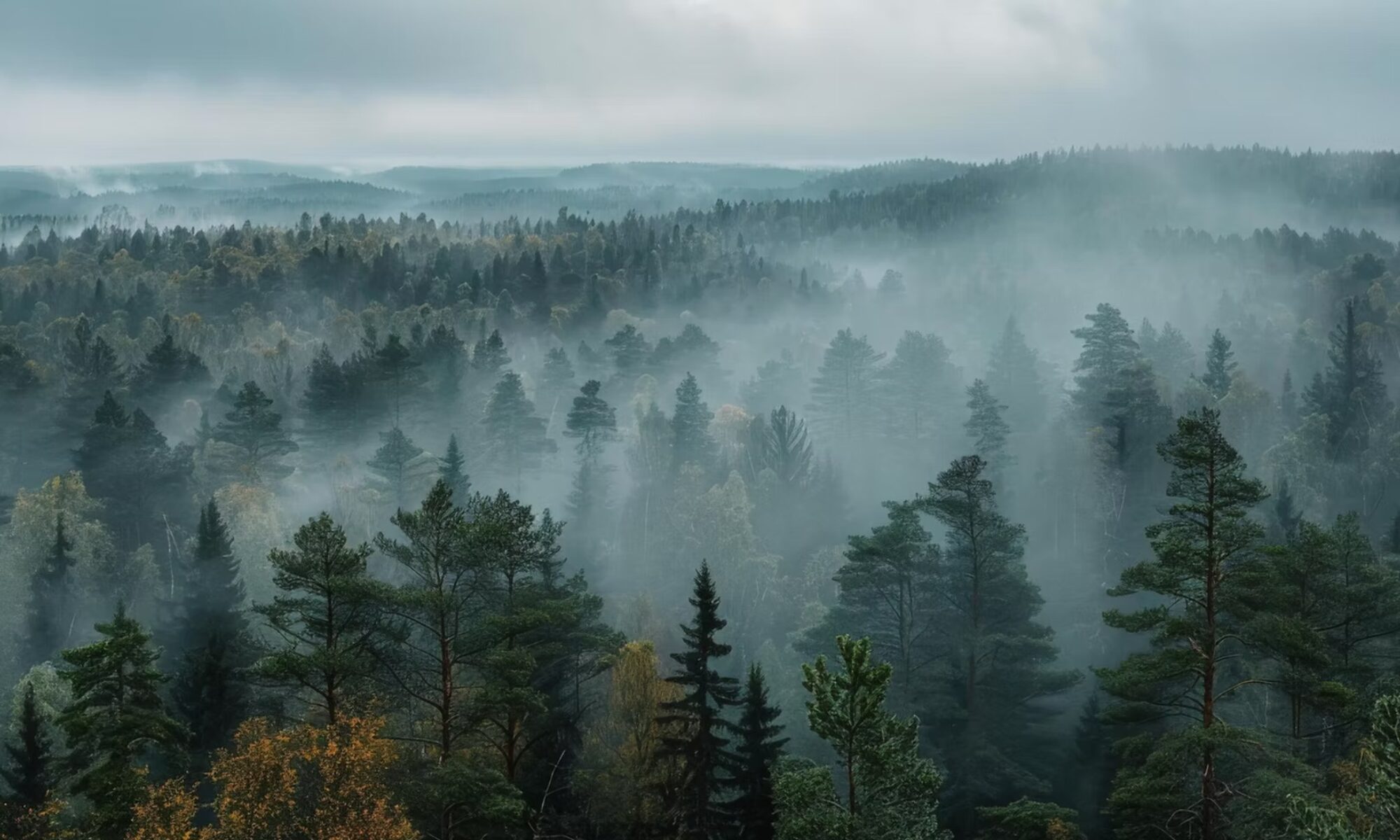
Focus on nature…
We are committed to promoting insect health and adopting environmentally friendly practices in forest beekeeping.
Our research focuses on Apis mellifera, with the goal of developing innovative techniques that improve environmental sustainability, strengthen insect health, and advance beekeeping practices.
In the pursuit of knowledge…
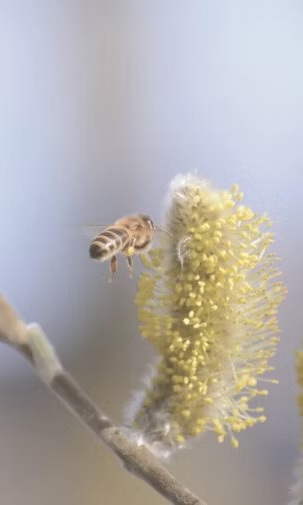
Nectar, honey and pollen analysis
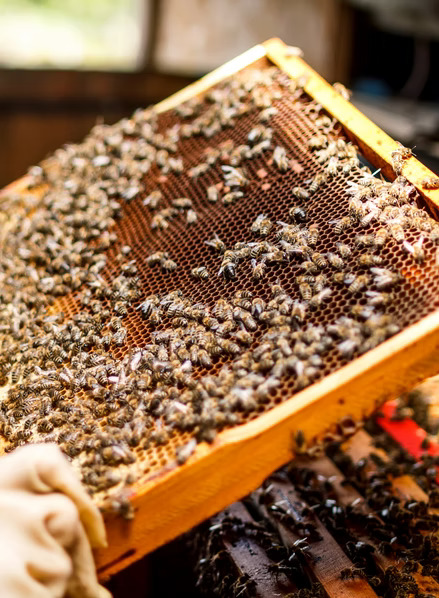
By analyzing pollen and honey samples, we can monitor the nutrient sources that bees use from spring to autumn and assess their ability to build up reserves. Well-managed forests have the potential to create an ideal biome to support all life. How do we achieve this balance?

Hives, design and bee health
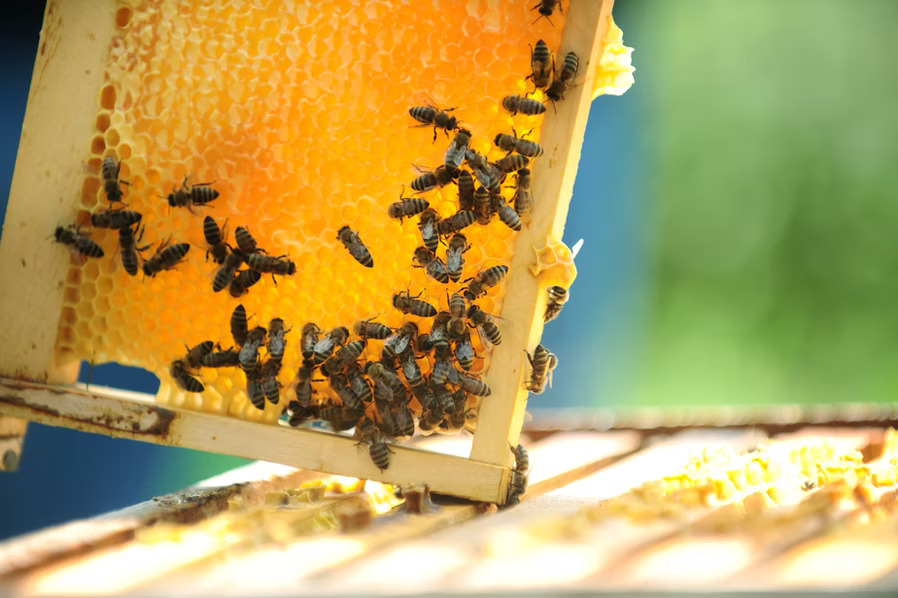
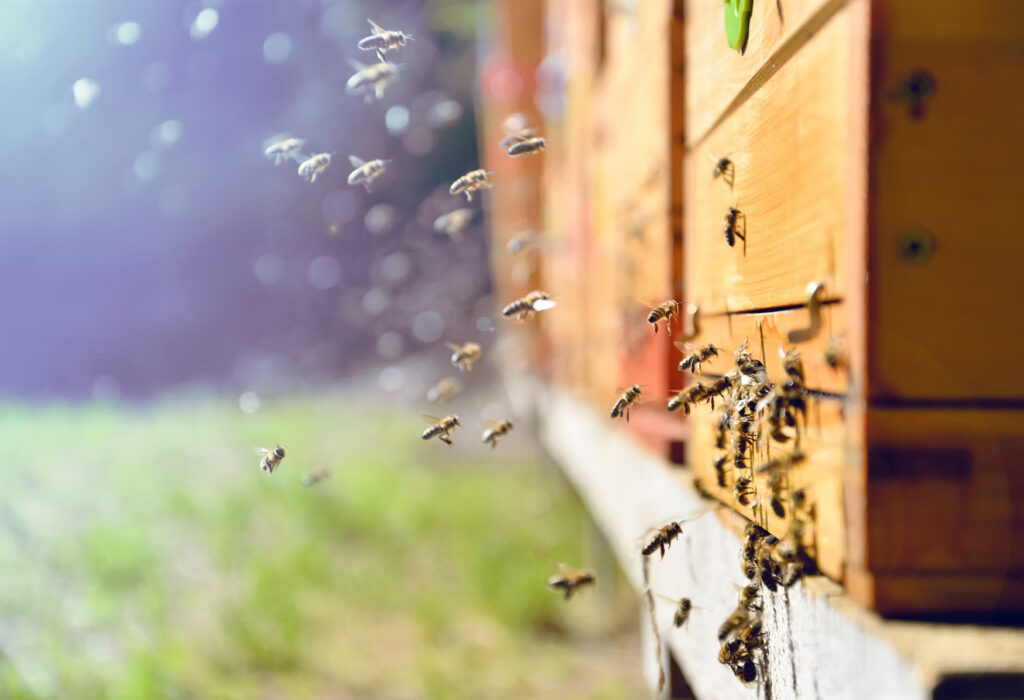
A successful bee colony depends on the right environment and symbiotic interactions with various other life forms. We carefully monitor and analyze bee health and behavior while studying how specific thermal, volumetric and biodynamic principles affect their optimal seasonal development.

Environmental analysis and honey and pollen purity…
We use GC/MS mass spectrometry to analyze honey and pollen produced by bees and to detect potential environmental contaminants. This ensures the protection of bees, their environment, and the safety of consumers.
Some important figures…
27.9
Millions of hectares of forest in Sweden (70% of the land area)
30000
Thousands of insect species live in forest areas in Sweden.
1375
Species are affected by environmental damage.
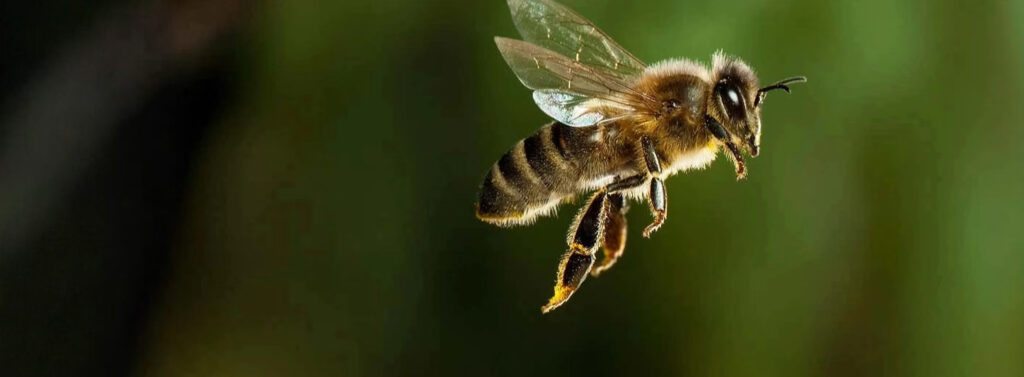
Pollinator health as an environmental indicator…
Through collaboration between forest owners, researchers and industry, we can promote a deeper understanding of sustainable and healthy forest environments. With pollinator health in decline in many agricultural areas, we strongly oppose anything that harms pollinators and see Swedish managed forests as the safe haven of the future.
“The condition of the Nordic forests is far from as catastrophic as is portrayed in the debate. On the contrary, if environments and species composition are relatively stable and with good consideration, the vast majority of species will be able to survive in the managed forest, which after all occupies the majority of Swedish forest land. But this requires that we continue to protect and care for forests with high natural values and that we ensure that there is a green infrastructure where species can both move and establish themselves. “
BIODIVERSITY IN THE FOREST, Status, trends and environmental work
Mats Hannerz and Per Simonsson in 2023.
Our services

Training and lectures on forest beekeeping
From by-products to bee health, from design and care to plants, animals, climate and environment – forest beekeeping is a fascinating topic for consumers, landowners and beekeepers, which we offer lectures on.

Laboratorieanalys
Our honey, pollen, wax, propolis sampling is carried out on site and can also be sent for review by European accredited laboratories, ensuring that environmental and food certification standards are met.

Research Project Support
Do you need support from professional beekeepers or our laboratory services for your project? Don’t hesitate to contact us – we’d be happy to discuss your ideas.
See Our Work
Geospecific issues and fieldwork that we work with…
2025-26
“Apiary analysis – Värmland and Västra Götaland: How clean is the forest environment? Do we have required/eco-quality honey from forest environments?”
Summer 2026 –
“How do the architecture, placement, volume and thermal dynamics of the hive affect the health and production of the colony?”
2025 – 2028
“Colonial interactions with other living organisms in the forest: What traces of predation, competition and symbiosis can be observed?”